

Root Canal Treatment Near Kilcunda
- Home
- Root Canal Treatment Near Kilcunda
Root Canal Treatment
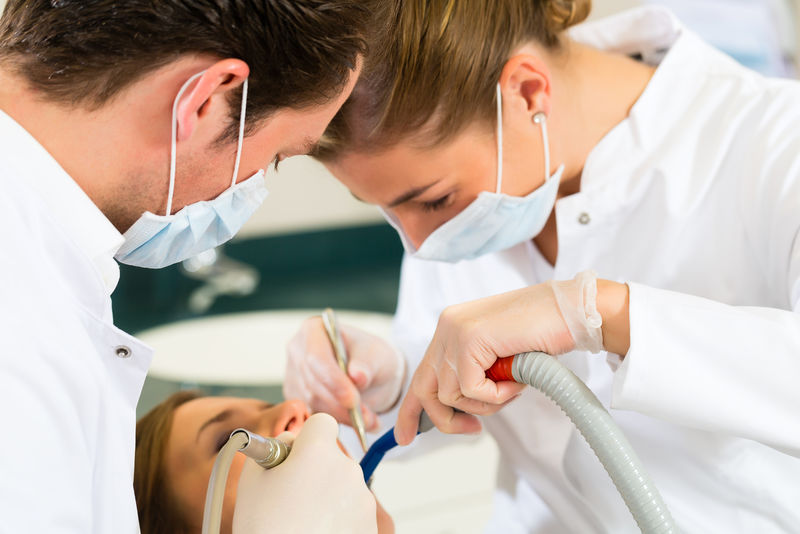
Root Canal Treatment to Address Tooth Infection and Pain
A tooth that has started hurting when you bite, reacting to hot or cold, or aching without much warning is asking for a closer look. Sometimes the cause is straightforward. In other cases, the problem lies deeper within the tooth, where the pulp has become inflamed or infected.
At Miners’ Dental Clinic, we provide root canal treatment near Kilcunda for teeth affected by pulp damage or infection. We’ll first work out what’s causing the symptoms and whether the tooth is suitable for treatment, then explain the options with you.
Need to see us today? Miners’ Dental Clinic makes room for dental emergencies and urgent problems. Call us on (03) 5672 1948 and we’ll find an appropriate time for you to be seen.
When Is Root Canal Treatment Appropriate?
A toothache doesn’t automatically mean you need a root canal. Pain can come from decay, a crack, the gums, a problem with your bite or other dental conditions.
Your dentist will look at the tooth itself, consider your symptoms and assess the surrounding structures. X-rays or other imaging may also help us understand what’s happening beneath the surface.
Root canal treatment may be considered when the pulp inside the tooth has become irreversibly inflamed or infected and the tooth still has enough healthy structure to be restored.
The alternative isn’t always extraction. Where the tooth can be treated and restored, root canal treatment can provide a way to retain your natural tooth.
Symptoms That Deserve Attention
Some changes are easy to dismiss, particularly when they settle down again. Keep an eye out for:
- Sensitivity to hot or cold that hangs around after the drink or food is gone
- Pain when you bite or chew
- An ache that keeps returning
- Swelling or tenderness around a tooth
- A tooth becoming darker than those around it
- Soreness in the nearby gum
- Symptoms that appear to improve before returning
Not every affected tooth causes obvious pain. An examination is more useful than trying to work out the cause from symptoms alone.
Why Treatment Matters
Once the pulp inside a tooth has become significantly inflamed or infected, waiting for the symptoms to disappear doesn’t mean the problem has gone away.
The infection can remain within the root canal system and, over time, extend into the tissues around the tooth. This can result in further pain or swelling and may eventually mean the tooth cannot be retained.
That doesn’t mean every painful tooth requires immediate root canal treatment. Persistent or recurring symptoms, however, are worth investigating so you know what you’re dealing with.
What the Treatment Involves
Once root canal treatment has been recommended, the focus is on removing the affected tissue and dealing with the space inside the tooth.
After the area has been numbed with local anaesthetic, your dentist creates an opening through the tooth to reach the pulp and root canals. The damaged or infected tissue is removed, and the canals are cleaned and shaped.
The cleaned canals are then filled and sealed. This closes the space and helps prevent bacteria from re-entering the treated area.
The number of appointments varies. Some teeth can be treated in one visit, while others require additional appointments because of their anatomy or the nature of the infection. We’ll let you know what is involved in your case.
The Tooth Still Needs a Proper Finish
Completing the root canal is not always the final step. The tooth may have already lost structure through decay, cracking or previous dental treatment, so we’ll also consider how to restore it afterwards.
A filling may be suitable for some teeth. Others may need a crown where the remaining structure requires greater protection against fracture.
The appropriate restoration depends on the tooth and how much healthy structure remains. We’ll talk you through the recommended restoration and explain how it will help support and protect your tooth.
After Your Root Canal Treatment
Some tenderness around the tooth for a few days is normal. This usually settles as the surrounding tissues recover, and simple pain relief is generally enough.
It’s important to follow any advice we give you about eating and caring for the tooth, particularly if the permanent restoration has not yet been placed.
Your dentist will also let you know whether you need a further appointment to complete the restoration and protect the tooth for everyday use.
Before You Decide
Root canal treatment can give a natural tooth the opportunity to remain functional for many years, although no treatment can guarantee a particular outcome.
There are a few things to consider before proceeding. The tooth may be tender for several days afterwards, and occasionally an infection does not settle fully and requires further treatment. In a small number of cases, the tooth cannot be saved.
A tooth that has undergone root canal treatment can also be more brittle, especially where considerable tooth structure has already been lost. This is one reason a crown may be recommended afterwards.
We’ll discuss the relevant considerations with you before treatment and provide a written treatment plan so you can see what’s being recommended and what it will involve. Please ask any questions you have — we’re happy to talk through anything you’re unsure about before you decide.
Root Canal Treatment Fees
The fee for root canal treatment depends on the tooth being treated and what it needs along the way. Some teeth have more complex root canal systems than others, and the tooth may also need a separate restoration once the root canal has been completed.
We’ll discuss the recommended treatment with you before you proceed and provide a written treatment plan showing the fees and appointments involved. This means you can see how the treatment is expected to progress and what each stage will cost.
Using your private health insurance
Have private health insurance with extras cover? Your written treatment plan will include the relevant item numbers, so you can give these to your health fund and check what your policy covers before treatment begins. Our team can also help you understand the information on your plan. As policies differ, your health fund can confirm the exact benefit available to you.
Caring for Patients Across the Bass Coast
Miners’ Dental Clinic welcomes patients from Kilcunda and surrounding communities including Inverloch, Cape Paterson, Kilcunda, San Remo, Cowes, Phillip Island, Korumburra and Leongatha.
For patients who need more than one appointment, having their dental care available locally can make treatment easier to fit around work, family and everyday life.
Root Canal Treatment near Kilcunda
If you are experiencing tooth pain, lingering sensitivity, swelling, or discomfort when chewing, a dental examination can help determine the cause and whether root canal treatment may be appropriate.
Call Miners’ Dental Clinic on (03) 5672 1948 to arrange an appointment. We’ll take a proper look at the tooth, answer your questions and help you understand the next step.
FAQs
What can cause the need for a root canal?
Deep decay, cracks, trauma and previous dental work can all damage the pulp inside a tooth. When the pulp becomes significantly inflamed or infected, root canal treatment may be recommended if the tooth can still be restored.
Can tooth sensitivity mean I need a root canal?
It can, particularly when sensitivity to hot or cold lingers after the trigger has gone. Sensitivity has several possible causes, however, so your dentist will need to assess the tooth before determining the appropriate treatment.
What happens if I leave an infected tooth untreated?
The symptoms may settle temporarily without the underlying problem resolving. Infection can continue within the tooth and may spread into the surrounding tissues, potentially leading to further pain, swelling or loss of the tooth.
Will I be awake during root canal treatment?
Yes. Root canal treatment is generally performed using local anaesthetic, which numbs the tooth and surrounding area during the procedure. Your dentist will explain what to expect before treatment starts.
How will I know whether my tooth can be saved?
Your dentist will assess the condition of the tooth and the structures supporting it. The amount of healthy tooth remaining and whether the tooth can be predictably restored are important considerations when deciding whether root canal treatment is appropriate.
Why might treatment take more than one appointment?
Some root canal systems are more complex than others, and the condition of the tooth can also affect how treatment is managed. Your dentist will explain the expected number of appointments for your particular tooth.
What happens if my tooth needs a crown afterwards?
A crown may be recommended when the remaining tooth structure needs additional protection. The recommendation depends on the condition and location of the tooth and how much healthy structure remains.
Can a root canal-treated tooth last for many years?
Many root canal-treated teeth continue to function for many years. How long an individual tooth lasts varies according to its condition, the restoration placed afterwards and ongoing dental care.
In Need of a Checkup, or Maybe Something More Specialised?
Give our friendly team a call, we’re here to help.

In need of a checkup, or maybe something more specialised?
Give our friendly team a call, we’re here to help.