

A Beginner's Guide to Taking Care of Dentures
- Home
- A Beginner’s Guide to Taking Care of Dentures
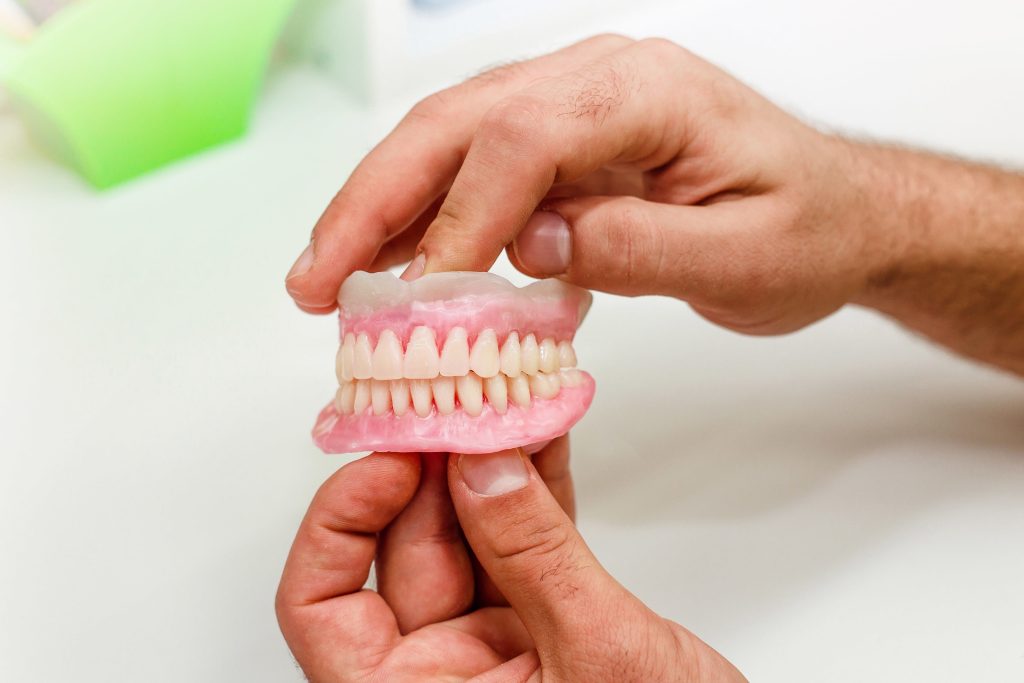
A Beginner's Guide to Taking Care of Dentures
Taking care of dentures is crucial for maintaining good oral health and ensuring the longevity of these essential dental appliances. Whether you’re new to dentures or have been wearing them for a while, this comprehensive guide will provide you with valuable insights and practical tips on how to take care of dentures effectively.
I. Understanding the Basics
How Much Does In-Chair Teeth Whitening Cost in Australia?
Before diving into the nitty-gritty of denture care, it’s essential to grasp the basics. Dentures are artificial replacements for missing teeth and can be either full or partial. They are designed to fit snugly in your mouth and help you eat, speak, and smile confidently.
Instructions:
- Handle with Care: Always handle your dentures gently. When taking them out or cleaning them, do so over a soft surface or a folded towel to prevent damage if they accidentally fall.
- Clean Regularly: Dentures should be cleaned daily to remove food particles and bacteria. Use a soft-bristle brush or a denture-specific brush to avoid scratching.
- Avoid Abrasive Cleaners: Steer clear of abrasive toothpaste, bleach, or harsh chemicals, as they can damage the denture material.
- Rinse After Eating: After eating, rinse your dentures to remove loose food debris. This prevents staining and odours.
- Soak Overnight: Dentures need to stay moist to maintain their shape. Soak them in a denture cleaning solution or water overnight.
- Visit Your Dentist: Regular dental check-ups are essential. Your dentist will ensure that your dentures fit properly and address any issues promptly.
Practical Tips:
- Use lukewarm water for cleaning and soaking to prevent warping.
- Don't forget to clean your gums and any remaining natural teeth to prevent gum disease and decay.
- Avoid using hot water, as it can cause your dentures to lose their shape.
- Keep your dentures out of reach of pets, as they may be tempted to chew on them.
II. Daily Denture Care Routine
Now that you understand the fundamentals, let’s establish a daily denture care routine to keep your smile in top shape.
Instructions:
- Morning Ritual: Start your day by removing your dentures and gently brushing them with a denture brush. This eliminates plaque and bacteria that may have accumulated overnight.
- Clean Your Mouth: Brush your gums, tongue, and any natural teeth with a soft toothbrush. This stimulates circulation and keeps your mouth healthy.
- Meals and Snacks: Remove your dentures before meals and snacks. Clean them and your mouth afterward.
- Evening Routine: Before bedtime, take out your dentures and clean them thoroughly. Leave them to soak overnight.
Practical Tips:
- Use a denture cleaner recommended by your dentist for effective cleaning.
- If your dentures have metal attachments, consult your dentist for proper cleaning techniques.
- Don't sleep with your dentures in your mouth; this allows your gums to breathe.
III. Handling Denture Problems
Even with proper care, dentures can encounter issues. Here’s how to deal with common problems.
Instructions:
- Loose Dentures: If your dentures become loose, consult your dentist for adjustments. Loose dentures can cause discomfort and sores.
- Cracks or Damage: In case of cracks or damage, avoid DIY fixes and consult your dentist immediately.
- Stains: To remove stains, use a denture stain remover or consult your dentist for professional cleaning.
- Irritation or Sores: If you experience irritation or sores, remove your dentures and give your mouth a break. Consult your dentist if the problem persists.
Practical Tips:
- Avoid using denture adhesives excessively, as they may mask underlying problems.
- Always seek professional advice for denture-related issues.
Conclusion
Taking care of dentures is a vital part of maintaining your oral health and overall well-being. By following the steps outlined in this guide, you can ensure that your dentures remain comfortable and functional for years to come. Remember, regular dental check-ups and a consistent denture care routine are key to a healthy smile. So, go ahead and put your newfound knowledge to use in taking care of dentures!
Ready to take the next step in your denture care journey? Book a consultation with us today!
FAQ
How much does professional teeth whitening cost in Australia?
At Dunstan Dental, our in-chair whitening offers long-lasting results in just one appointment using dental-grade hydrogen peroxide gels tailored to your enamel’s sensitivity and shade goals.
Is in-chair whitening better than at-home kits?
At Dunstan Dental, our in-chair whitening offers long-lasting results in just one appointment using dental-grade hydrogen peroxide gels tailored to your enamel’s sensitivity and shade goals.
How long do teeth stay white after whitening?
At Dunstan Dental, our in-chair whitening offers long-lasting results in just one appointment using dental-grade hydrogen peroxide gels tailored to your enamel’s sensitivity and shade goals.
Can I whiten my teeth if I have sensitive teeth?
At Dunstan Dental, our in-chair whitening offers long-lasting results in just one appointment using dental-grade hydrogen peroxide gels tailored to your enamel’s sensitivity and shade goals.
What's the cheapest way to whiten teeth?
At Dunstan Dental, our in-chair whitening offers long-lasting results in just one appointment using dental-grade hydrogen peroxide gels tailored to your enamel’s sensitivity and shade goals.
General Family Dental Care
Make your next trip to the dentist a positive experience. Our quality dental services include:

- Dental check-ups
- Clean, scale, and polish
- Periodontal treatments
- Mouthguards
- Bite splints
- Extraction or removal of teeth
- Root canal treatments
- Complete and partial dentures
- Mercury-free fillings
- Safe amalgam removal
Cosmetic Dentistry
We also provide a range of cosmetic dental services to help you achieve the perfect smile you always dreamed of. These include:
- Porcelain crowns, bridges, and veneers
- White fillings
- Bleaching and teeth whitening

Emergency Dental Services
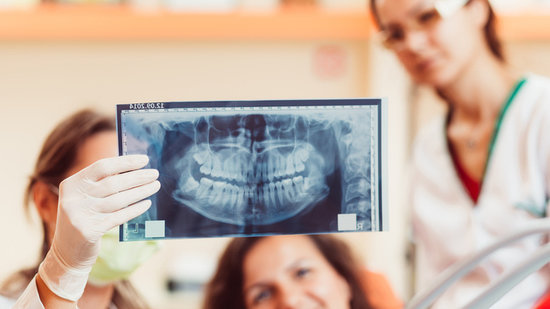
Emergency Dental Services
Most people will agree that toothache is extremely painful. We don’t like to leave our patients without dental care when they need it most and so we run an emergency dental service for those needing treatment in a hurry.
Invisalign® (No Braces Teeth Straightening)
- How it works- Invisalign consists of a series of clear, removable aligners customised to the individual. You change the aligners once every 2 weeks and this is what straightens the teeth.
- No one will be able to tell you’re wearing them!- Invisalign aligners are made of a thin, clear plastic so are almost invisible. They are great for people who are concerned about their appearance during treatment.
- A more hygienic option- You remove the aligners to eat, drink , brush and floss, therefore maintaining oral hygiene during treatment is a lot easier than it is with braces.
- Comfortable- The aligners are comfortable and have no metal or pokey wires to cause mouth abrasions during treatment.


Mercury Amalgam Removal
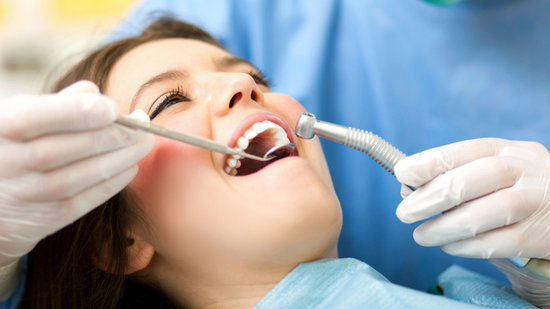
Mercury Amalgam Removal
Dr Fred Karalis has over 30 years experience removing amalgams safely using high speed suction and a rubber dam. The rubber dam ensures you do not swallow any toxic substances during the procedure. The procedure is performed as comfortable as possible under strict guidelines to ensure you are not exposed to any mercury when removing the old amalgams.
We use instead inert substances as tooth fillers, such as porcelain, and colour match as closely as possible to your natural teeth to ensure you enjoy a more natural look and smile.
Dental Implants
A dental implant is a screw-like anchor that is used as an artificial replacement for natural tooth roots. Made of materials that are compatible with the human body, such as titanium, implants have been used for decades in upper and lower jaws. By attaching to the jawbone and gum tissue, they provide a stable base for artificial replacement teeth, such as dental crowns, bridges and dentures.
Dental implants can be used to replace a single tooth or several teeth, or to support partial or full dentures. Implants and crowns remain inside the mouth and do not require any adhesives to hold them in place.
Dental implant treatment generally takes several months and follows a three-step process.
- Specialist dentist places the implant into the jaw then inserts a screw to prevent debris from entering. It will take 3 to 6 months for the implant to fuse with the jawbone, during which time the gum is secured over the implant.
- Upon returning to the dentist, the implant is uncovered and an extension called a post is attached. Once the gum tissue has healed around the post, the implant and post act as the foundation for the new tooth.
- Finally, the dentist makes a crown that best suits your natural teeth, considering factors including size, shape and colour. Once completed, the crown is attached to the implant post and you can enjoy your beautiful new smile!

In Need of a Checkup, or Maybe Something More Specialised?
Give our friendly team a call, we’re here to help.

In need of a checkup, or maybe something more specialised?
Give our friendly team a call, we’re here to help.