

Dental Implants near Foster
- Home
- Dental Implants near Foster
Dental Implants in Wonthaggi
Dental Implants in Foster
A missing tooth can make a familiar meal feel different, leave a gap you’d rather not have, or make you more conscious of how your teeth meet. A dental implant provides a way to replace the missing tooth with a restoration supported directly by the jaw, rather than relying on the teeth beside it.
At Miners’ Dental Clinic, we’ll look at the area carefully, including the condition of your gums, neighbouring teeth and the bone beneath the missing tooth. Dental imaging may form part of the planning process, particularly when we need a clearer view of the proposed implant site. From there, we’ll explain whether an implant is suitable and what your treatment would involve.
If you’re considering dental implants near Foster, call (03) 5672 1948 to arrange an appointment, or book online.
A Tooth Replacement Anchored in the Jaw
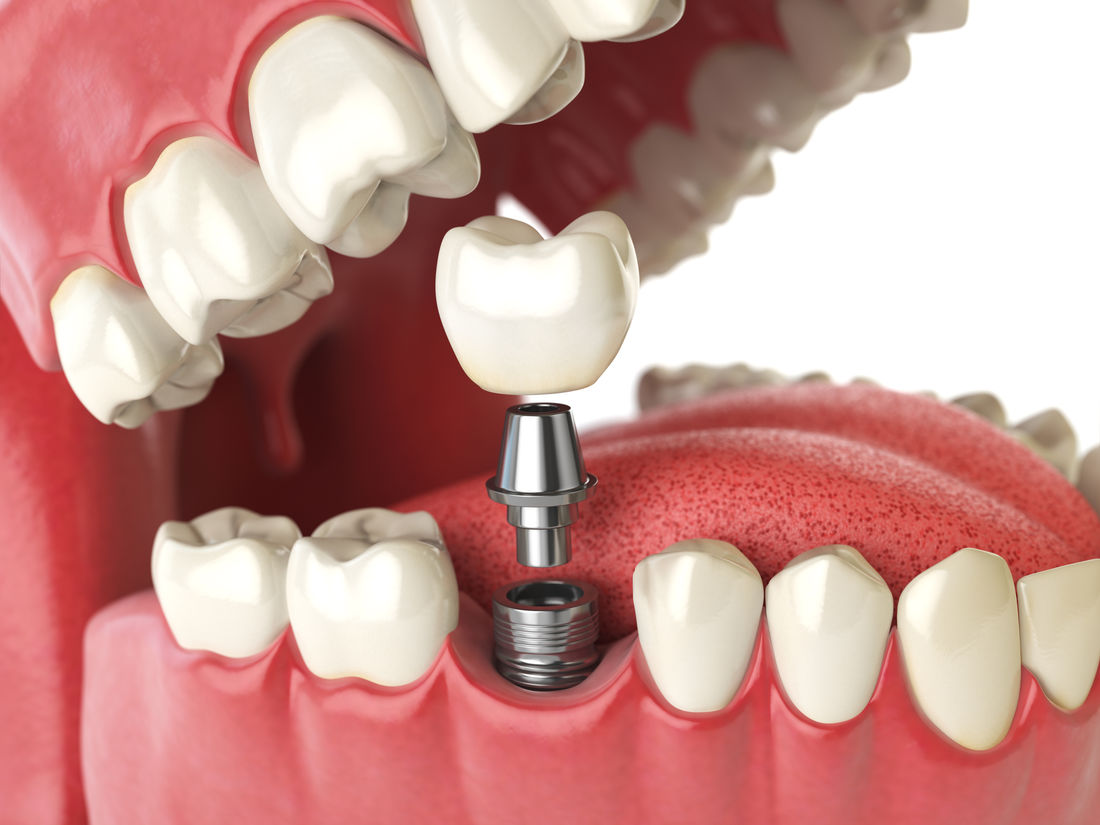
A dental implant is placed into the jawbone and provides the support for a replacement tooth. Once the implant has integrated with the surrounding bone, an abutment connects it to the final restoration, which may be a crown when replacing one tooth.
For a single missing tooth, this means the neighbouring teeth don’t need to be prepared to support a bridge. Where several teeth are missing, implants can also be used to support a larger restoration, with the design based on the gaps and the teeth that remain.
Your Implant Dentist
Implant treatment at Miners’ Dental Clinic is provided by Dr Vandana Budhwar (dentist), who holds a Graduate Diploma in Clinical Dentistry (Implants) from the University of Melbourne. She has placed over 10,000 dental implants, completed more than 1,000 All On 4 Plus® full-arch cases and teaches implant dentistry to other dentists.
Your first consultation with Dr Budhwar is where the conversation begins. She’ll look at the area you’re hoping to restore, discuss the choices available and explain what each stage would involve. You’ll have the opportunity to ask questions, understand the proposed treatment and consider your options before deciding whether you’d like to proceed.
When the Site Needs Additional Treatment
A tooth that has been missing for some time may have less bone available for implant placement. Where there isn’t enough suitable bone to support the proposed implant, additional treatment may be considered before placement.
Bone grafting is one possible approach, although it isn’t required in every case. If your implant site needs preparation, we’ll explain why, what the treatment involves and how it changes the overall timeframe.
Replacing a Single Tooth
When one tooth is missing, an implant-supported crown can restore the space without placing a bridge on the neighbouring teeth.
The position of the tooth matters when planning the final result, particularly where the replacement will sit among otherwise healthy teeth. We’ll consider the space available, the surrounding teeth and your bite when planning the implant and crown together.
When Several Teeth Are Missing
Several missing teeth don’t necessarily mean that each one needs its own implant. Depending on the position of the gaps and the restoration being considered, a number of implants can support a larger replacement.
We’ll look at the overall arrangement of your teeth rather than treating each gap separately. This allows the proposed restoration to work with the teeth that remain and the way your bite functions.
Which Tooth Replacement Options Are Available?
There are a few ways to deal with a missing tooth, and each comes with its own practical considerations. An implant is one possibility, but a bridge, partial denture or, in some situations, leaving the space alone may also be discussed.
Treatment | How it works | What to know |
Dental implant | A titanium implant is placed in the jaw and later supports a replacement tooth. | The treatment involves a surgical procedure followed by a healing period. The teeth beside the gap don’t need to support the replacement. |
Dental bridge | A replacement tooth is fixed in place using the teeth next to the space for support. | The supporting teeth are prepared as part of the treatment. A bridge is generally completed sooner than an implant because there is no implant healing period. |
Partial denture | A removable appliance fills the space created by one or more missing teeth. | There is no implant surgery, although wearing a removable appliance can take some getting used to. It also needs to be taken out for cleaning. |
Leaving the space | In some cases, particularly depending on the location of the missing tooth, no replacement may be recommended. | The teeth around the space can gradually shift, and the bone where the tooth was can reduce over time. |
At your appointment, we’ll look at the tooth that’s missing and the condition of the surrounding area before talking through the options that may be appropriate. We’ll also explain the treatment involved, how long it is likely to take and what each option would mean for you financially.
Looking After the Implant
The implant itself cannot develop tooth decay, but the gum and bone around it still need proper care. Plaque can collect around the implant, and the replacement tooth can wear or become damaged over time.
Daily cleaning and regular dental examinations help keep the surrounding tissues healthy and allow us to monitor the implant and restoration. We’ll also show you how to clean around the area once your treatment is complete.
What to Know Before You Decide
Dental implants can be a way to replace a missing tooth, but it’s worth knowing that the treatment involves surgery and a period of healing. Some swelling or tenderness can occur in the days following treatment, while less common complications can include an implant failing to integrate with the surrounding bone or inflammation affecting the gum around it.
Your general health and oral health can also have a bearing on healing. Smoking, diabetes and untreated gum disease are among the factors we’ll ask about when assessing whether implant treatment is appropriate. The location of the proposed implant matters too, particularly where nerves or the sinuses are close to the treatment area.
We’ll discuss these points with you as part of your consultation, along with anything else that may be relevant to your circumstances. The aim is simply to make sure you understand both the treatment and the considerations involved before deciding how you’d like to proceed.
How Long Does the Implant Process Take?
Implant treatment is carried out over several stages, with healing time between them. For a single missing tooth, the process will generally include the following:
- Planning your treatment: We’ll examine the area, take the necessary imaging and discuss whether an implant is suitable. We’ll also explain the alternatives, expected costs and what the treatment will involve before you decide to proceed.
- Allowing the implant to heal: Once the implant has been placed in the jaw, it needs time to integrate with the surrounding bone. This healing period is usually around three months, although the timing can vary.
- Preparing your replacement tooth: Once the implant has healed sufficiently, we’ll take impressions and any other records needed to make your new tooth. This stage allows the final restoration to be made for the implant and the surrounding teeth.
- Completing the restoration: Your final crown is generally fitted around three to four weeks after the impressions have been taken.
From placing the implant to having the finished tooth is usually around four months. Treatment can take longer when the implant site needs preparation beforehand or when additional healing time is required. We’ll explain the expected timeframe for your treatment and include the relevant stages in your written treatment plan.
Understanding the Cost
The total cost varies because implant treatment can involve several stages. Depending on your treatment, the fees may include:
- Implant placement
- Preparation of the implant site, where required
- The abutment and final restoration
- Appointments involved throughout treatment
Once your treatment has been planned, we’ll provide a written treatment plan with the proposed treatment and associated fees. This gives you the opportunity to review the recommended treatment and costs before deciding whether to proceed.
Using Your Private Health Insurance
If you have extras cover, your written treatment plan will include the item numbers for the treatment we’ve recommended. You’re welcome to check these with your fund before going ahead, and our team can help you work through the information. As policies vary, your health fund is the best place to confirm exactly what you may receive back under your particular cover.
Dental Care near Foster and Surrounding Communities
Miners’ Dental Clinic sees patients from Wonthaggi, Inverloch, Cape Paterson, Kilcunda, Korumburra, Leongatha and surrounding communities across the Bass Coast and South Gippsland. With implant treatment often involving several stages, having your care in Foster can make attending appointments more convenient.
Considering Dental Implants?
Replacing a missing tooth is a decision worth discussing properly, particularly when there are several treatment options available. At Miners’ Dental Clinic, we’ll examine the area, answer your questions and explain whether an implant could be a suitable way to replace the tooth.
If you’re considering dental implants near Foster, call Miners’ Dental Clinic on (03) 5672 1948 to arrange a consultation.
Frequently Asked Questions
Can a dental implant replace a front tooth?
Yes. An implant can support a replacement for a missing front tooth, although the position of the implant and appearance of the final crown require careful planning. We’ll consider the surrounding teeth, gums and available bone when assessing the site.
Can I have an implant if I still have some of my natural tooth?
That depends on the condition of the tooth. If the tooth cannot be restored predictably, removing it and replacing it with an implant may be one option. We’ll assess the tooth before recommending a course of treatment.
How soon after an extraction can an implant be placed?
There isn’t one timeframe for every patient. Implant placement may be possible at the time of extraction in some circumstances, while other situations require the area to heal first. The condition of the tooth and surrounding tissues will guide the timing.
Will an implant feel like a natural tooth?
An implant won’t have exactly the same sensation as a natural tooth because it doesn’t have the ligament around the root that helps a natural tooth respond to pressure. Once they’ve adapted to it, many people use an implant-supported tooth as part of their normal eating and speaking.
Can I have an implant if I smoke?
Smoking can affect healing and the health of the tissues around an implant. We’ll discuss your individual circumstances and any factors that could affect treatment before recommending implant placement.
How long will I be without a tooth during implant treatment?
Smoking can affect healing and the health of the tissues around an implant. We’ll discuss your individual circumstances and any factors that could affect treatment before recommending implant placement.
Can an implant be used to replace a tooth that was knocked out?
It may be possible once the area has been assessed. The condition of the bone and gums, the circumstances of the injury and the treatment already provided will all influence whether an implant is appropriate.
Do dental implants need regular check-ups?
Yes. The implant, replacement tooth and surrounding tissues should form part of your regular dental examinations. Ongoing care also allows us to identify changes with the restoration or tissues around the implant.
In Need of a Checkup, or Maybe Something More Specialised?
Give our friendly team a call, we’re here to help.

In need of a checkup, or maybe something more specialised?
Give our friendly team a call, we’re here to help.